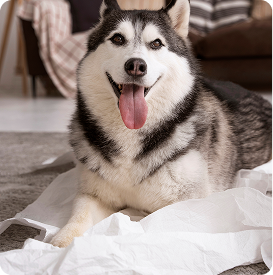
Feeding your dog as they get older
Our dogs’ needs don’t stay the same throughout their lives.
As dogs get older, their activity, appetite and energy requirements can change.
That means the amount you fed them several years ago may not necessarily be right today.
Keep an eye on activity
Some dogs remain remarkably active into old age. Others gradually slow down.
If activity falls while the amount of food remains the same, unwanted weight can gradually creep on.
Monitor weight and body condition
Regularly look at your dog’s shape and check their weight.
You may need to adjust their portion if their body condition changes.
Appetite changes matter
Older dogs can experience dental problems and health conditions that affect how much they want to eat.
Don’t automatically assume that losing weight or losing interest in food is simply part of getting older.
If you notice an unexplained change in weight, appetite, thirst or behaviour, speak to your vet.
Keep enjoying dinner
Older dogs still deserve to look forward to mealtimes.
Freshly cooked food offers a different aroma and texture from dry food, which some older dogs may particularly enjoy.
Good feeding changes with your dog. Keep watching them and adapt as their needs change.